
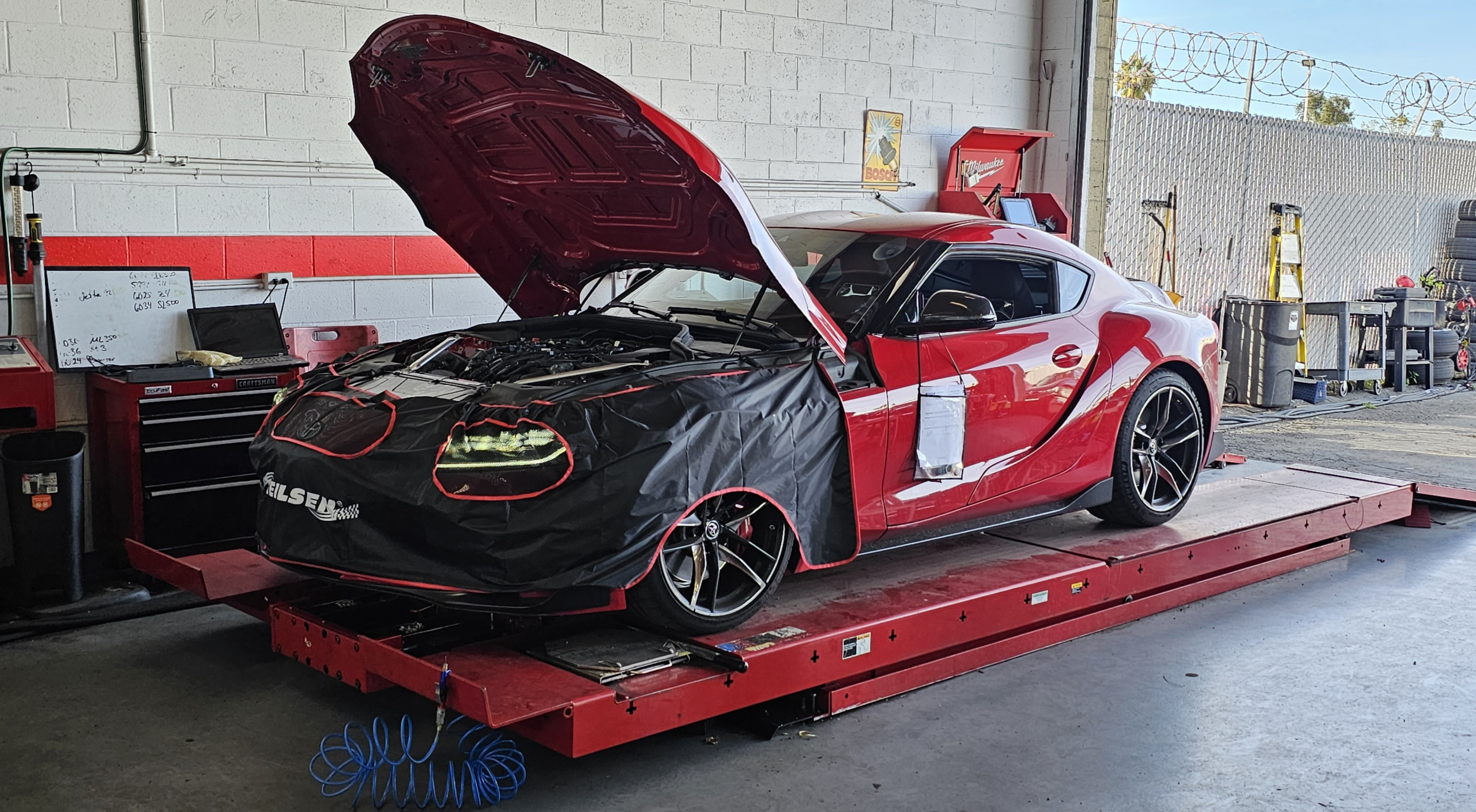
Estimate vs. Diagnosis: What’s The Difference– and Why It Matters
If you’ve ever called a shop and asked, “How much to fix my car?” you’ve probably heard two terms: estimate and diagnosis. They’re not the same—and understanding the difference saves time, money, and frustration.
At Select German Car Service, we use both—on purpose—to give you dealership-level accuracy with independent-shop transparency.
What we mean by “estimate”
An estimate is the price for a specific service you already have in mind.
Examples:
- “How much to replace front brake pads and rotors on my BMW 3 Series?”
- “What’s the price for an oil service on my Audi A4?”
Estimates are free because the scope is defined. We can reference parts, fluids, and labor times, then give you a written, itemized number. If an inspection reveals the scope needs to change (different rotor size, seized hardware, additional sensors), we’ll update the estimate before any work is approved.
What we mean by “diagnosis”
A diagnosis is how we find what’s wrong.
Examples:
- “Why won’t my car start?”
- “Check engine light is on—what failed?”
- “A/C is warm at idle—what’s the cause?”
Diagnosis requires time from our best technicians and dealer-level equipment including scan tools, lab scopes, battery/charging testers, smoke machines, pressure/vacuum gauges, etc. Because it’s skilled investigative work, there’s a diagnostic fee. The fee buys clarity: a root cause, a clear plan, and a precise estimate for the fix—so you don’t pay for guesswork or parts you don’t need.
Quick comparison

When an estimate is enough
- Wear-and-tear services you’ve already identified (brakes, oil, battery replacement).
- Scheduled maintenance (BMW CBS/interval, Audi/VW/Porsche factory schedules, etc.).
- Known repairs with a fixed scope and part numbers.
When you need a diagnosis
- Won’t start or intermittent starting.
- Warning lights (check engine, ABS, airbag).
- Performance issues (misfires, hesitation, poor fuel economy).
- A/C or HVAC concerns that change with speed or temperature.
- Electrical gremlins (dead battery, parasitic draw, module faults).
- Noises, vibrations, or leaks with unknown origin.
Why diagnostic fees exist—and how they save you money
- Accuracy beats parts-swapping. Testing isolates the failed component so you replace the right part once.
- Complex systems need data. Modern German vehicles rely on networks and sensors; proper fixes require verified measurements.
- Your time matters. A correct plan shortens downtime and avoids repeat shop visits.
- Documentation you can trust. You get a digital inspection with photos and notes you can approve from your phone.
Our process at Select German
- Tell us your concern. What do you hear/feel/see? When does it happen?
- Diagnostic evaluation. Dealer-level testing by a senior technician, plus a digital inspection with photos.
- Clear results and plan. We explain what failed, why it failed, and the repair options.
- Accurate estimate. You’ll see parts, labor, taxes, and timelines. You approve digitally so there’s no surprises.
Real-world examples:
Brake squeal on a Mercedes-Benz:
- Estimate scenario: You want pricing for front pads/rotors/sensors. We provide a free estimate based on your VIN and measured rotor size.
- Diagnosis scenario: You hear a grinding only on left turns. That’s diagnosis—could be a backing plate, wheel bearing, or caliper issue, and testing pinpoints which.
No-start on a BMW:
- Diagnosis: We test the battery and charging system, check start authorization and fault codes, and confirm whether it’s a battery, IBS, starter, or something deeper. Then we price the exact fix.
Check engine light on an Audi:
- Diagnosis: Scan for codes, run guided tests, verify with smoke/pressure testing if needed. The output is a root cause (e.g., EVAP leak at purge valve) and a precise repair estimate.
Bottom line:
- Estimate = price for a known service (free).
- Diagnosis = the skilled work to find the problem (diagnostic fee).
Both protect your wallet. One prevents surprises on known jobs, the other prevents guesswork on unknown issues.
Got Questions?
Call (858) 336-9287, or Request a Free Estimate.